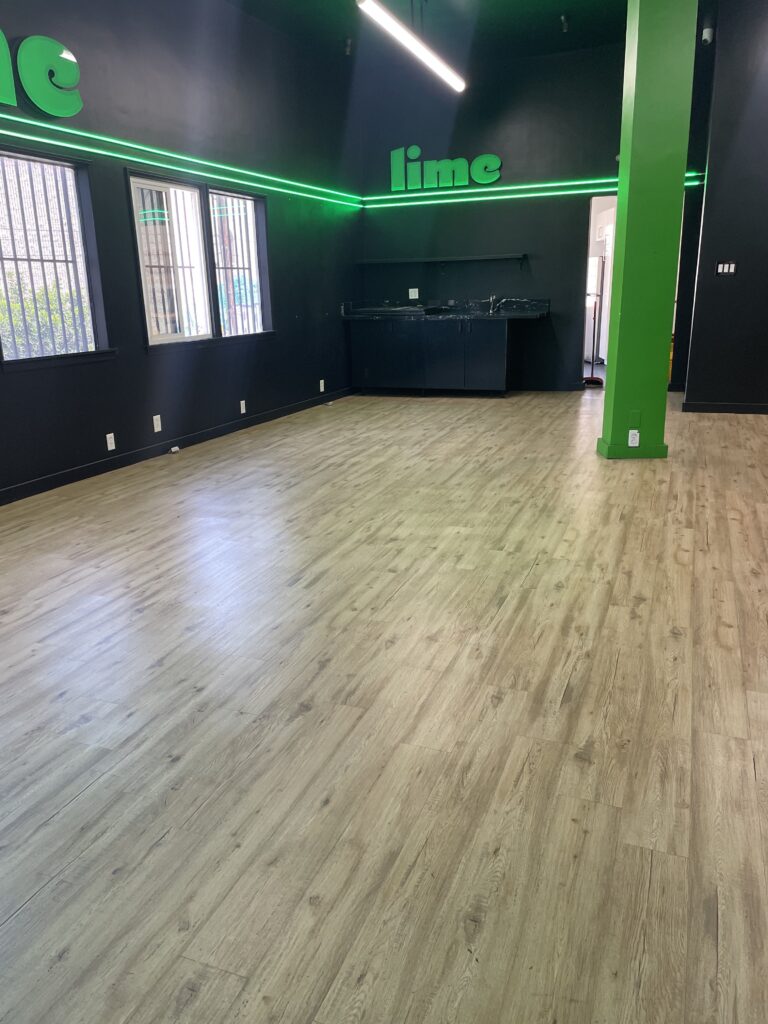
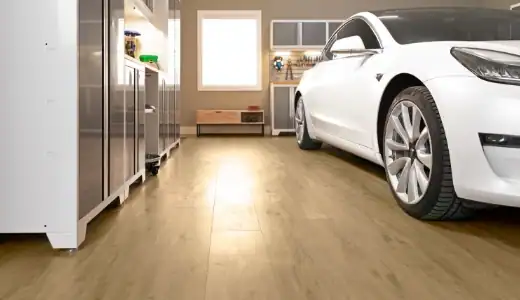
If you are planning a home renovation or simply looking to upgrade your floors, you have likely run into the phrase Luxury Vinyl Planks (LVP). It has quickly become one of the most requested flooring materials on the market, completely shaking up the interior design world.
But what exactly is it, and is it the right choice for your home? Let’s break down everything you need to know about LVP.
What Exactly is Luxury Vinyl Plank Flooring?
Luxury Vinyl Plank flooring is a multi-layered hard-surface flooring designed to look and feel exactly like real hardwood. It is constructed in long, narrow strips—mimicking classic wood planks—but instead of being harvested from trees, it is engineered using high-grade PVC vinyl and advanced printing tech.
The Anatomy of an LVP Plank
Most high-quality LVP options are made of four distinct layers zipped together:
- The Wear Layer: A clear, top coating that shields the floor from scratches, stains, and scuffs.
- The Print Layer: A high-definition photograph that replicates the exact knots, grain patterns, and textures of real wood.
- The Core Layer: The thickest part of the plank that provides stability and structure. (Many modern options feature a Stone Plastic Composite, or SPC, core for extreme dent resistance).
- The Underlayment: A built-in bottom cushion (often made of cork or foam) that adds comfort underfoot and dampens sound.
Why Homeowners are Choosing LVP: The Key Benefits
It’s no accident that LVP is giving traditional hardwood and tile a run for their money. Here is why it has become so popular:
1. 100% Waterproof Performance
Unlike real hardwood, which swells, warps, or buckles when exposed to moisture, LVP is entirely waterproof. This means you can finally get the warmth of a wood-look floor in spaces where you’d never dare put real wood before—like bathrooms, kitchens, mudrooms, and basements.
2. Built for Busy Households (and Pets)
Got muddy paws, heavy boots, or dropped toys? LVP is incredibly resilient. The tough wear layer prevents everyday scratches and dents, making it an absolute lifesaver for high-traffic areas and busy families.
3. A Budget-Friendly Alternative
Real hardwood can cost a fortune in both materials and specialized labor. LVP gives you the high-end look of premium wood (like European Oak or Walnut) at a fraction of the cost, making it a highly cost-effective home upgrade.
4. Easy DIY Installation
Most LVP uses a user-friendly click-lock system (often called floating floors) where the planks lock together like puzzle pieces over your existing subfloor. It requires no messy glues, staples, or nails.
How to Choose the Right LVP for Your Space
Not all luxury vinyl is created equal. When shopping around, keep these two critical specs in mind:
Look at the Wear Layer Thickness
The durability of your floor is measured by the thickness of its wear layer, typically quantified in mils (one-thousandth of an inch).
- 12 mils: Great for low-traffic areas like bedrooms.
- 20 mils or higher: The gold standard for busy living rooms, kitchens, or light commercial spaces.
Choose Your Style: Rigid Core vs. Flexible
If you have a slightly uneven subfloor, go with a Rigid Core LVP. It is stiff and won’t telegraph (show) imperfections from underneath. Flexible LVP is softer underfoot but requires a perfectly smooth subfloor.
Once you know which wear layer and core type your space calls for, the next step is seeing how those specs actually play out across real products. It helps to compare a wide catalog side by side; browsing luxury vinyl plank flooring from brands like Shaw, Karndean, Mannington, and Tarkett in one place makes it obvious how much plank width, finish, and mil rating vary from one line to the next. Being able to filter by size, color, and wear layer thickness is the fastest way to narrow 150+ options down to two or three realistic contenders before you order a full room’s worth of material.
Maintenance: Keeping Your Floors Pristine
Caring for luxury vinyl is about as low-maintenance as it gets. You don’t need any special waxes or oils.
- Daily: Run a broom or microfiber dust mop over the floor to remove loose dirt and grit.
- Weekly: Mop with a damp microfiber mop and a pH-neutral cleaner designed for vinyl.
- What to avoid: Skip the steam mops (intense heat can weaken the glue layers over time) and avoid harsh abrasive scrubbers.
While LVP can be a practical choice for certain spaces, homeowners who want the long-term value and natural character of real wood should compare both options before deciding. A local flooring contractor specializing in hardwood flooring installation can help evaluate subfloor conditions, layout, species selection, and installation details.
Final Verdict: Is LVP Worth It?
If you want the breathtaking aesthetic of natural wood but need a floor that can handle spilled milk, wet dog paws, and heavy foot traffic without skipping a beat, Luxury Vinyl Planks are absolutely worth the investment. They beautifully bridge the gap between luxury design and everyday practicality.